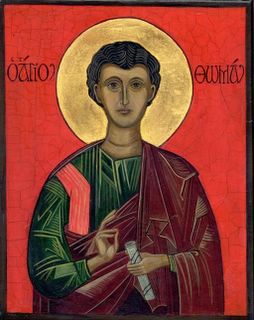



In the morning as they passed by, they saw the fig tree withered away to its roots. Then Peter remembered and said to him, ‘Rabbi, look! The fig tree that you cursed has withered.’ Jesus answered them, ‘Have faith in God. Truly I tell you, if you say to this mountain, “Be taken up and thrown into the sea”, and if you do not doubt in your heart, but believe that what you say will come to pass, it will be done for you. So I tell you, whatever you ask for in prayer, believe that you have received it, and it will be yours. (Mark 11: 20-24)
Jesus cursing the fig tree has troubled me. When he found no figs Jesus seemed to react with uncharacteristic anger. This is, at least, how it was perceived by those who observed the event and reported to Mark.
Above the translator says the fig had "withered away to its roots." The Greek is xeraino which means withered or dried up. I am not sure what the translator had in mind adding these English words, but Mark tells us the tree withered and says nothing about its roots.
There is a fig tree on my property, but I did not know it was a fig. We purchased the property in winter. By late May the woody spears were still dry, brittle and clearly dead, so I cut them away. Sometime in June new stalks appeared and grew to about five feet with luxuriantly odd leaves. I thought it might be some strange oak.
The next spring there were only dead dry blackened spears. I contacted the former owners who suggested I contact the Episcopal priest who had given them the fig tree. He explained that the fig must be protected from sustained freezing. But not to worry, no matter how often the stalks wither the tree will come back the next year. As it has.
The fruity figs are only produced on stalks that survive the prior season. This winter I have surrounded the fig with a fence and blanketed it in the fallen leaves of surrounding trees. Perhaps this summer we will have figs. So far it has been a warm winter.
When his disciples notice the withered fig Jesus responds with a metaphor on the power of faith. Might he be saying, fear not the seemingly unjust death? Have faith and confidence in God's love and power. What seems to be dead is not dead. In a little while it will once again bloom.
Keep your faith close to your heart. Warm it with the heat of your heart. Warmed by your heart even that which seems dead will live. Warmed by your heart what seems dead will produce much fruit.
Jesus cursing the fig tree has troubled me. When he found no figs Jesus seemed to react with uncharacteristic anger. This is, at least, how it was perceived by those who observed the event and reported to Mark.
Above the translator says the fig had "withered away to its roots." The Greek is xeraino which means withered or dried up. I am not sure what the translator had in mind adding these English words, but Mark tells us the tree withered and says nothing about its roots.
There is a fig tree on my property, but I did not know it was a fig. We purchased the property in winter. By late May the woody spears were still dry, brittle and clearly dead, so I cut them away. Sometime in June new stalks appeared and grew to about five feet with luxuriantly odd leaves. I thought it might be some strange oak.
The next spring there were only dead dry blackened spears. I contacted the former owners who suggested I contact the Episcopal priest who had given them the fig tree. He explained that the fig must be protected from sustained freezing. But not to worry, no matter how often the stalks wither the tree will come back the next year. As it has.
The fruity figs are only produced on stalks that survive the prior season. This winter I have surrounded the fig with a fence and blanketed it in the fallen leaves of surrounding trees. Perhaps this summer we will have figs. So far it has been a warm winter.
When his disciples notice the withered fig Jesus responds with a metaphor on the power of faith. Might he be saying, fear not the seemingly unjust death? Have faith and confidence in God's love and power. What seems to be dead is not dead. In a little while it will once again bloom.
Keep your faith close to your heart. Warm it with the heat of your heart. Warmed by your heart even that which seems dead will live. Warmed by your heart what seems dead will produce much fruit.
posted by Didymus | 4:15 AM
|
0 comments


